New York’s highest court has ruled that state and city laws guaranteeing citizens the right to record police activity do not extend inside police stationhouses or their publicly accessible lobbies, delivering a definitive statutory limit on civil rights laws passed in the wake of high-profile police misconduct cases.
In a unanimous decision issued June 23, 2026, in Reyes v. City of New York (No. 59), the New York Court of Appeals answered a certified question from the United States Court of Appeals for the Second Circuit regarding the reach of state and municipal Right to Record Acts. Writing for the court, Judge Rivera held that neither Civil Rights Law § 79-p nor New York City Administrative Code § 14-189 creates a legal right to video record police activities inside precinct lobbies over law enforcement objections. Chief Judge Wilson and Judges Garcia, Singas, Cannataro, Troutman, and Halligan concurred in the ruling.
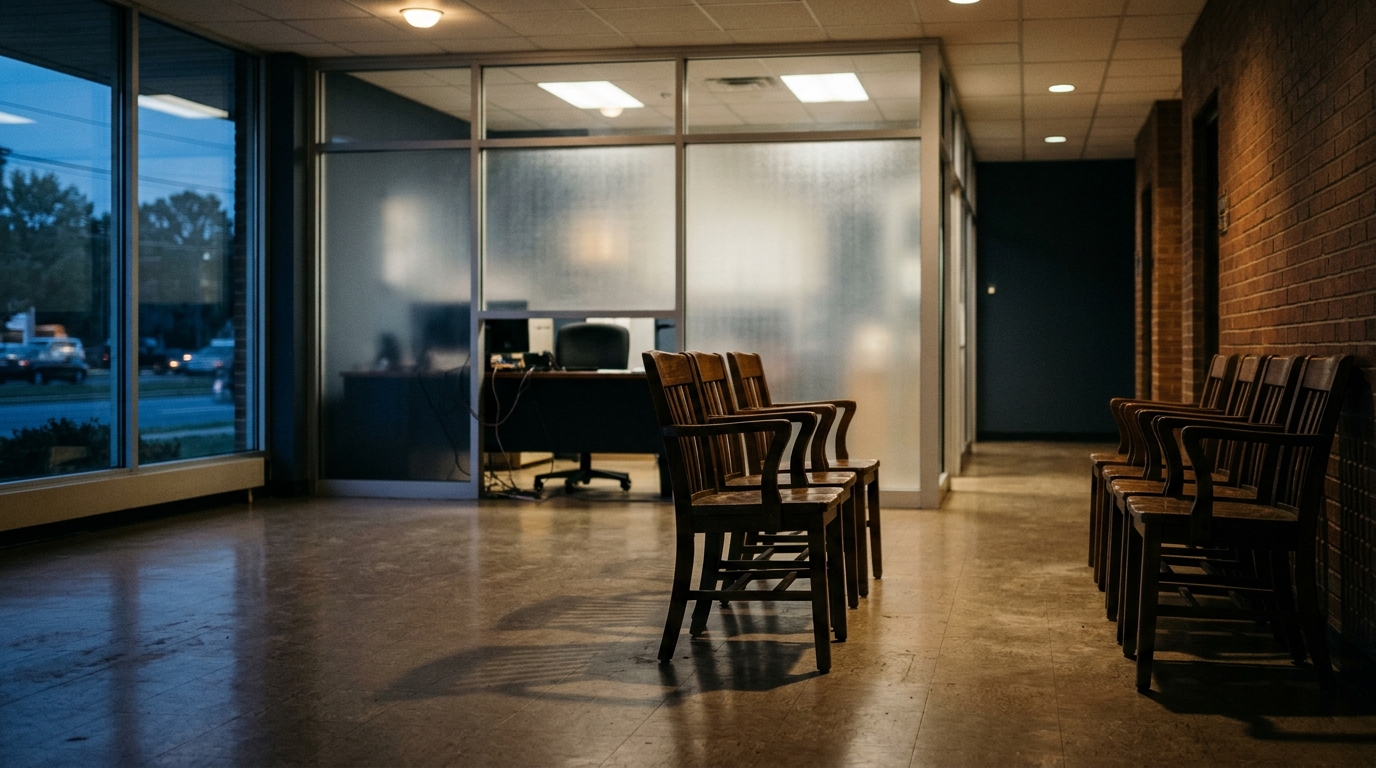
The dispute arose when SeanPaul Reyes, a self-described independent journalist who records encounters with public officials for social media platforms, entered the 61st Precinct of the New York City Police Department in Brooklyn after hearing reports that police were arresting individuals for recording inside the facility. Shortly after Reyes began filming in the lobby, officers pointed him to a posted sign displaying the NYPD’s Trespass Policy, which prohibits video recording inside police facilities. When Reyes refused repeated demands to stop or leave, officers arrested him for trespass under Penal Law § 140.05, held him for approximately six hours, and issued a desk appearance ticket. The local District Attorney’s office later declined to prosecute, and the charge was dismissed.
Reyes subsequently filed a federal lawsuit against the City of New York in the United States District Court for the Southern District of New York, claiming violations of his First Amendment rights and statutory protections under the Right to Record Acts. Reyes was represented by Andrew Case, while Chase Henry Mechanick represented the City of New York. The New York City Bar Association, New York Civil Liberties Union, and The Legal Aid Society appeared as amici curiae. After the federal district court granted a preliminary injunction against the NYPD policy, the Second Circuit stayed the injunction in part and certified the statutory interpretative question to New York’s top court.
In analyzing the statutes, Judge Rivera noted that while both state and city enactments broadly protect citizen oversight, the text remains silent regarding location, “providing the who, what, and when but not the where.” Turning to legislative history, the court determined that state and city lawmakers enacted the 2020 statutes specifically to protect bystanders filming officers during public, street-level interactions, citing historical incidents such as the deaths of Eric Garner on a Staten Island sidewalk and George Floyd in Minneapolis.
The court further emphasized that the New York City Council enacted its local law with full awareness of the NYPD’s long-standing Trespass Policy, yet took no action to alter or abrogate it. Adopting Reyes’s interpretation, the court observed, would yield severe practical consequences for police operations and citizen privacy.
“Permitting members of the public to record events and individuals in precinct lobbies would violate the privacy interests of crime victims, witnesses, confidential informants, and undercover officers,”
Judge Rivera wrote, pointing out that victims of domestic violence, human trafficking, or sexual assault could be discouraged from coming forward if third parties were allowed to livestream or record their visits to police stationhouses.
Why it matters
This ruling establishes a clear statutory boundary for citizen oversight and First Amendment auditors across New York State, confirming that state and local Right to Record Acts do not create an unrestricted statutory mandate to film within administrative or operational government buildings like police precinct lobbies. By establishing that these acts were designed primarily to safeguard outdoor, public-square oversight, the decision reinforces law enforcement’s authority to enforce internal facility rules against unauthorized filming.
The legal focus now returns to the federal judicial system. Because the New York Court of Appeals strictly addressed the certified state and local statutory questions, the U.S. Court of Appeals for the Second Circuit will resume its review of the federal preliminary injunction. The federal courts must still determine whether precinct lobby recording bans comply with the First Amendment under constitutional forum analysis and intermediate scrutiny—a separate constitutional question that the state court explicitly did not reach. Unless federal courts subsequently find a constitutional violation or state and city lawmakers move to amend the statutory language, police departments across New York retain firm legal authority to restrict lobby recording to safeguard stationhouse security and visitor privacy.
Source: New York Court of Appeals opinion in Reyes v. City of New York